Condition Guide
Anti-Aging
Longevity, skin health, and cellular renewal
Anti-aging peptides target cellular health, skin regeneration, and longevity pathways. GHK-Cu is popular for skin and hair benefits, while Epithalon is discussed for its potential effects on telomere length. NAD+ precursors and peptides are increasingly used for cellular energy and mitochondrial function. This category attracts users seeking both visible improvements and internal optimization.
What is the best anti-aging peptide?
GHK-Cu is the most popular for visible anti-aging effects — users report improvements in skin texture, wound healing, and hair quality within 4-8 weeks. Epithalon is discussed for longevity (telomere support) but effects are harder to measure. NAD+ is popular for energy and cellular health.
Top Peptides for Anti-Aging
Ranked by how frequently users report positive results
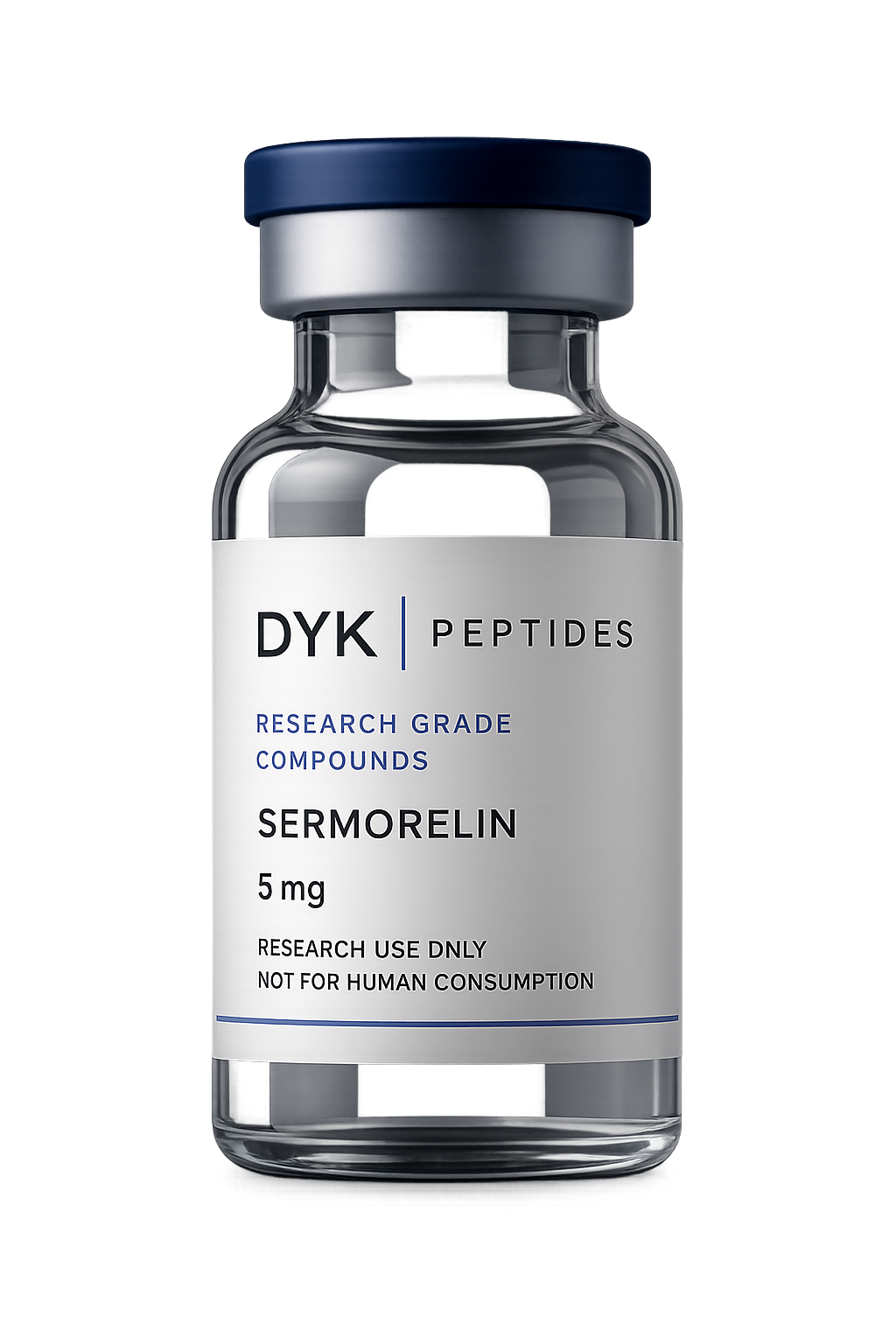
Sermorelin
A growth hormone releasing hormone (GHRH) analog reported for anti-aging, improved sleep, and body composition benefits. Based on 643 community reports analyzed on dykpeptides.com.
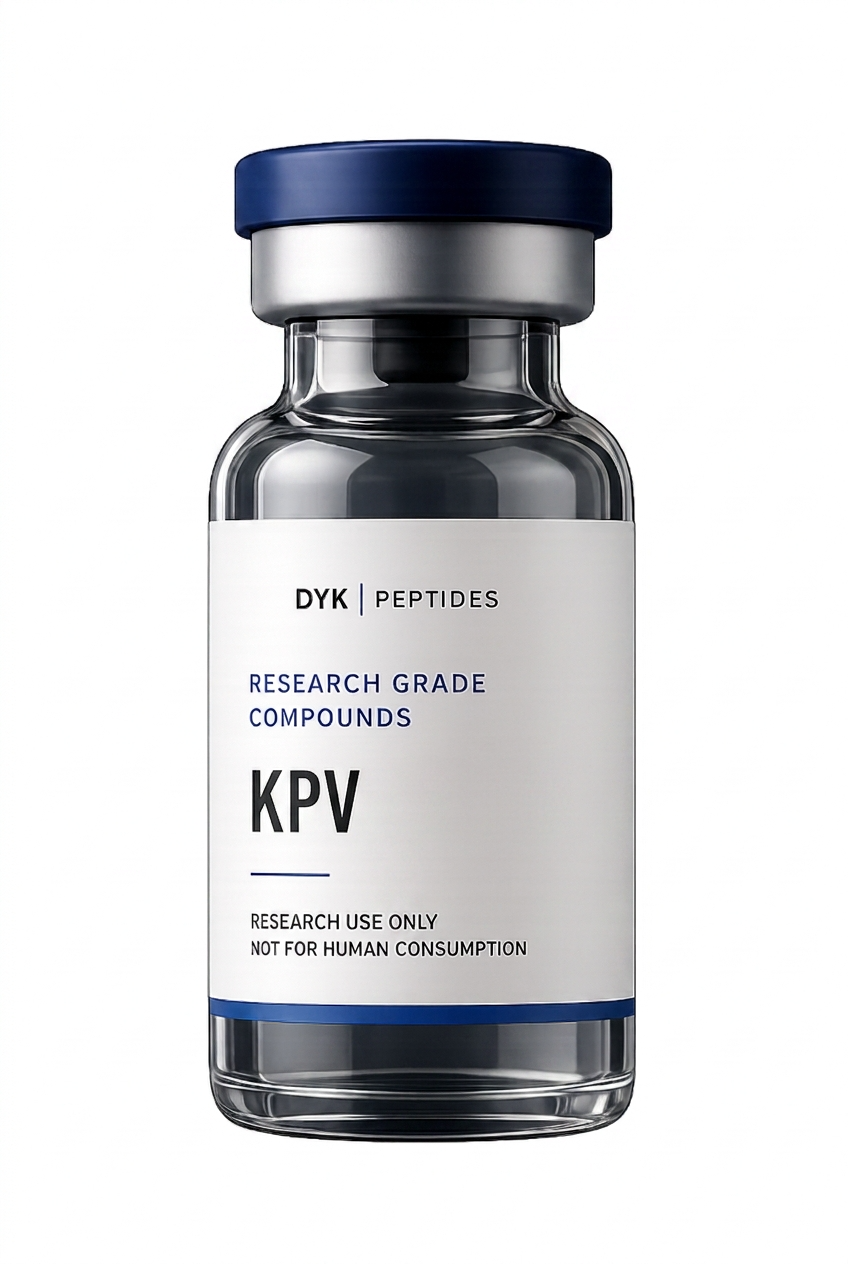
5-Amino-1MQ
A small molecule NNMT inhibitor that preserves NAD+ levels and activates SIRT1 (the 'longevity gene'). Primarily taken orally - trending in longevity clinic protocols.
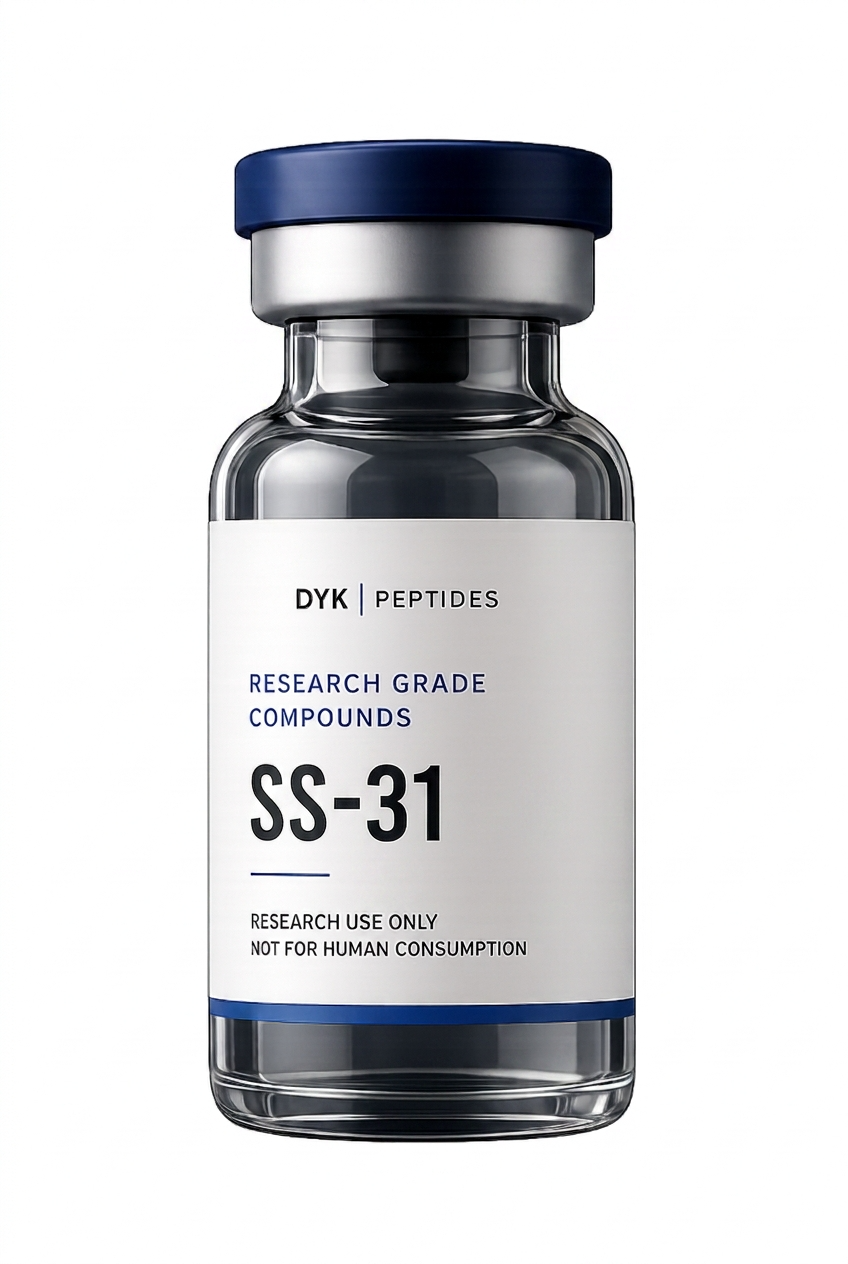
SS-31 (Elamipretide)
A tetrapeptide that selectively targets the inner mitochondrial membrane. Currently in Phase III clinical trials for heart failure and kidney disease - the strongest clinical evidence of any mitochondrial peptide.
MOTS-c
A mitochondrial-derived peptide that acts as a metabolic regulator. Often described as 'exercise in a vial' for its ability to mimic metabolic benefits of physical activity at the cellular level.
Pinealon
A tripeptide developed by the St. Petersburg Institute of Bioregulation and Gerontology - the same group behind Epithalon. Targets the pineal gland for cognitive enhancement and circadian rhythm regulation.
Humanin
A mitochondrial-derived peptide first identified in Alzheimer's brain tissue. Higher humanin levels are associated with longevity - centenarian studies show natural elevation in those living past 100.
Melanotan II
A melanocortin peptide reported for tanning, libido enhancement, and appetite suppression.
MK-677
An oral GH secretagogue (not technically a peptide) reported for sustained GH elevation.
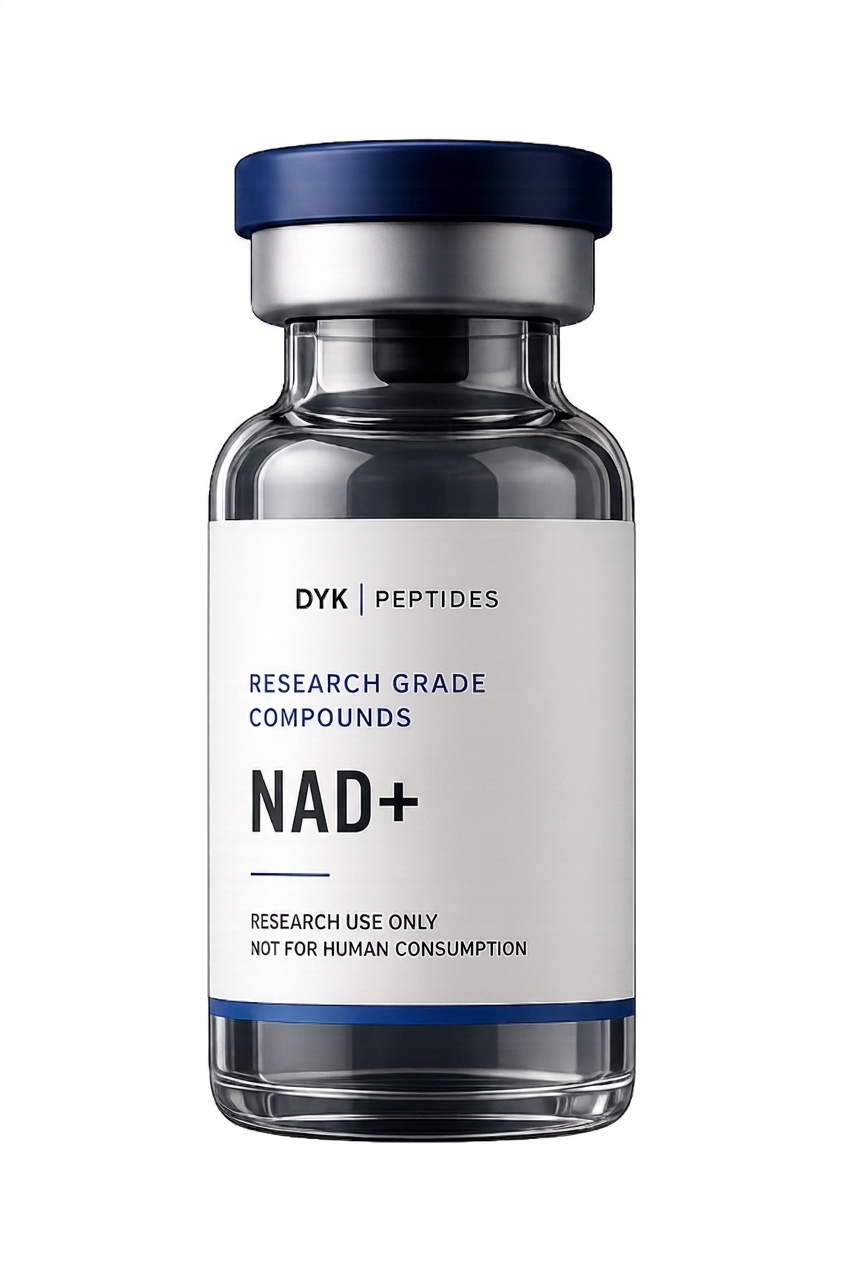
NAD+
A coenzyme critical for cellular energy, reported for anti-aging and energy enhancement.
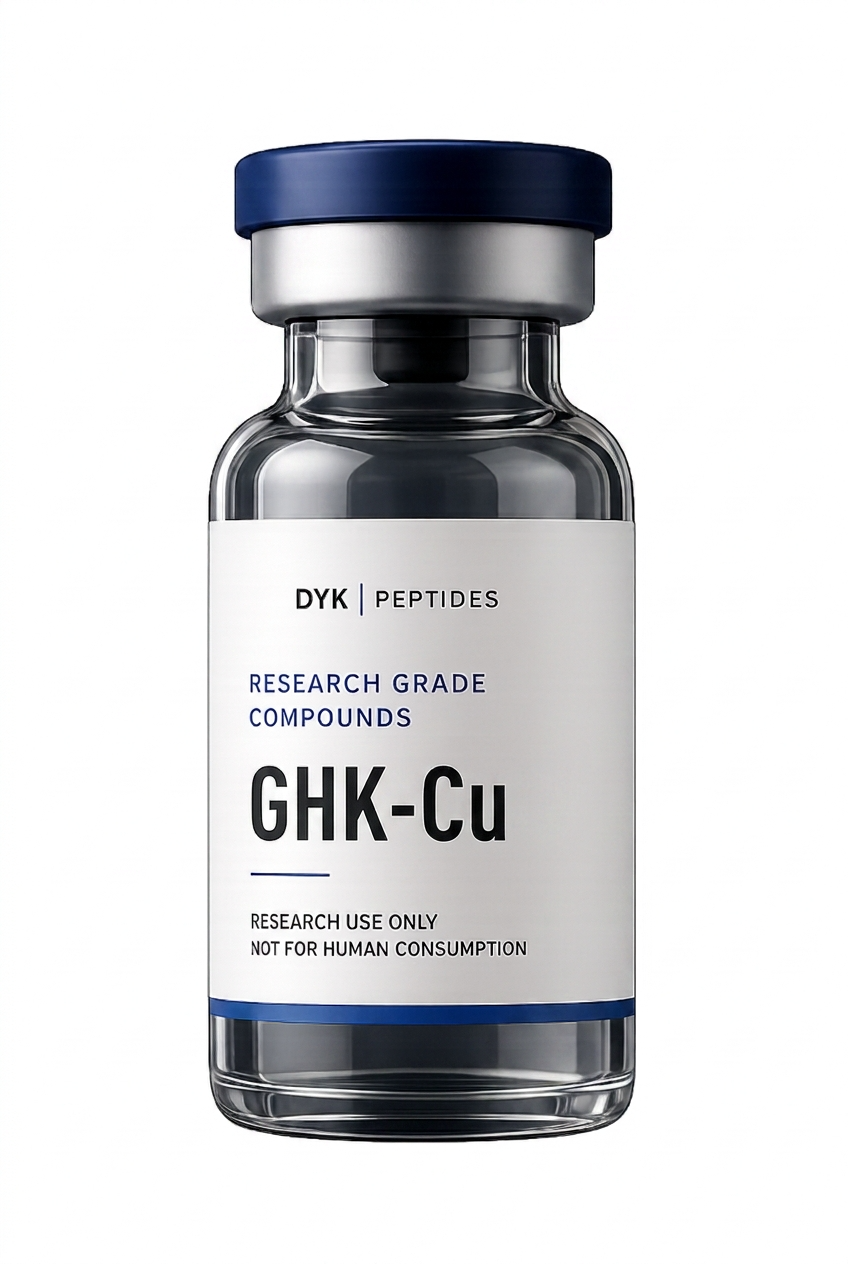
GHK-Cu
A copper peptide widely reported for skin rejuvenation, wound healing, and hair growth stimulation.
Ipamorelin
A selective growth hormone secretagogue reported for anti-aging, recovery, and sleep improvement.
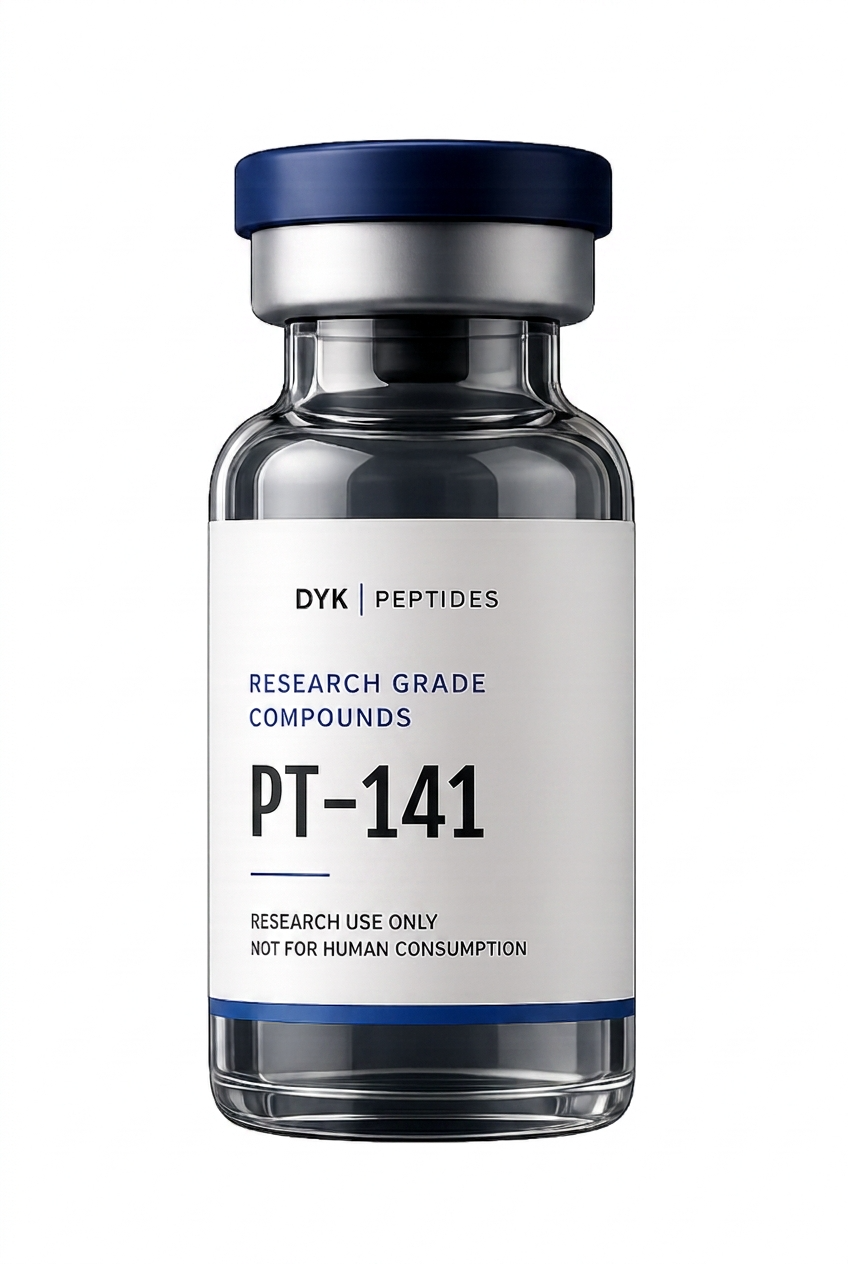
PT-141
A melanocortin receptor agonist reported for enhancing sexual function and libido in both men and women. Works on brain desire pathways, not just blood flow.
Hexarelin
The strongest GHRP for GH release, also reported for cardioprotective effects.
Tesamorelin
A GHRH analog FDA-approved for HIV lipodystrophy, used off-label for body composition and anti-aging.
GHRP-6
A growth hormone releasing peptide known for strong appetite stimulation and GH release.
GHRP-2
A GHRP with less appetite stimulation than GHRP-6, popular for GH release without hunger.
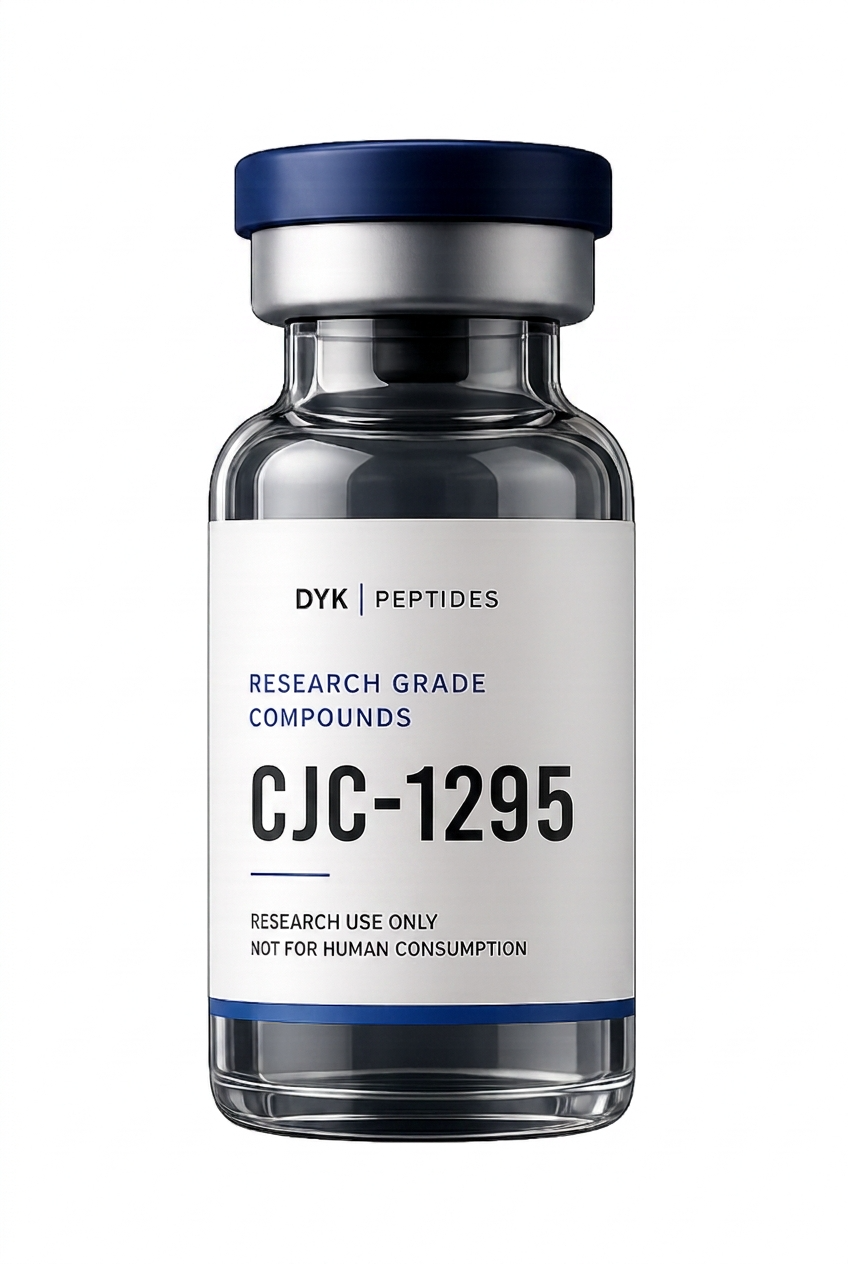
CJC-1295
A growth hormone releasing hormone analog reported for sustained GH elevation and anti-aging benefits.
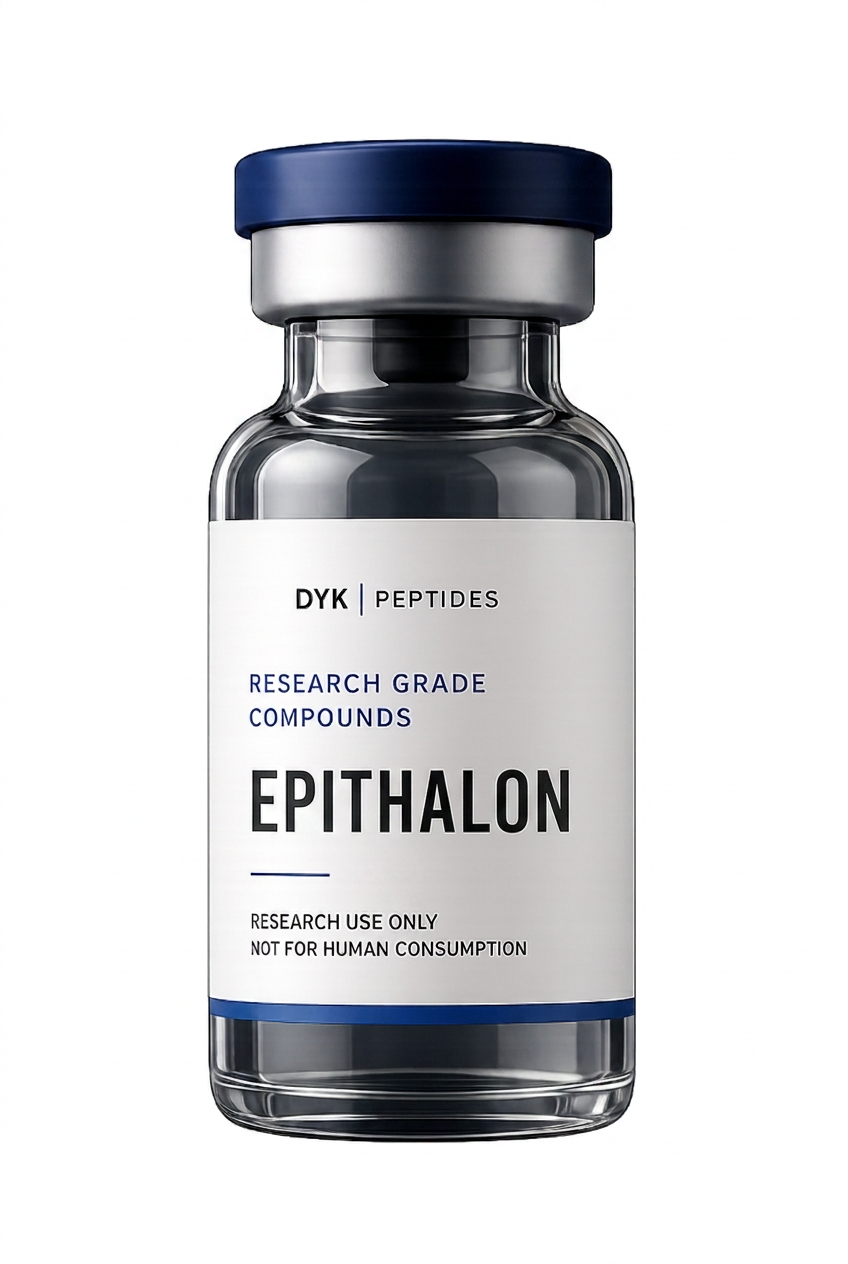
Epithalon
A telomerase-activating peptide reported for anti-aging and longevity benefits.
Quick Facts
18
Peptides in this category
39
Total benefits documented
Sermorelin
Most popular choice
Other Categories
Not sure where to start?
Take our guided quiz to find the right peptides for your goals.
Find Your StackCompare Top Options
Sermorelin
A growth hormone releasing hormone (GHRH) analog reported for anti-aging, improved sleep, and body composition benefits. Based on 643 community reports analyzed on dykpeptides.com.
5-Amino-1MQ
A small molecule NNMT inhibitor that preserves NAD+ levels and activates SIRT1 (the 'longevity gene'). Primarily taken orally - trending in longevity clinic protocols.
SS-31 (Elamipretide)
A tetrapeptide that selectively targets the inner mitochondrial membrane. Currently in Phase III clinical trials for heart failure and kidney disease - the strongest clinical evidence of any mitochondrial peptide.
Frequently Asked Questions
Common questions about peptides for anti-aging
Does GHK-Cu really work for skin?
GHK-Cu has substantial community support for skin benefits. Users commonly report improved skin texture, reduced fine lines, faster wound healing, and enhanced skin tone within 4-8 weeks. It can be used topically or via injection.
What does Epithalon do?
Epithalon is theorized to activate telomerase, potentially lengthening telomeres (associated with cellular aging). Users report improved sleep, energy, and general well-being. Effects on actual lifespan are impossible to measure in the short term.
How do you use NAD+ peptides?
NAD+ can be supplemented via precursors (NMN, NR — oral) or direct NAD+ (IV or injection). Users report increased energy, mental clarity, and exercise recovery. Many combine NAD+ with other longevity interventions like fasting or cold exposure.
At what age should you start anti-aging peptides?
Community members range from 30s to 70s+. Some start preventatively in their 30s-40s; others begin after noticing age-related changes. GHK-Cu for skin is popular across ages, while Epithalon tends to attract older users focused on longevity.