Cerebrolysin
A porcine brain-derived peptide complex reported for neuroprotection and cognitive recovery.
CJC-1295
A growth hormone releasing hormone analog reported for sustained GH elevation and anti-aging benefits.
Cortexin
A Russian neuropeptide complex reported for cognitive enhancement and brain protection.
GHK-Cu
A copper peptide widely reported for skin rejuvenation, wound healing, and hair growth stimulation.
GHRP-2
A GHRP with less appetite stimulation than GHRP-6, popular for GH release without hunger.
GHRP-6
A growth hormone releasing peptide known for strong appetite stimulation and GH release.
Gonadorelin
A synthetic analog of GnRH that stimulates the pituitary to release LH and FSH. Rising as an HCG alternative in TRT clinics. Requires pulsatile dosing to mimic natural rhythm.
HCG
A naturally occurring hormone that mimics Luteinizing Hormone (LH). Widely used alongside TRT to maintain testicular function, prevent atrophy, and preserve fertility.
Hexarelin
The strongest GHRP for GH release, also reported for cardioprotective effects.
Humanin
A mitochondrial-derived peptide first identified in Alzheimer's brain tissue. Higher humanin levels are associated with longevity - centenarian studies show natural elevation in those living past 100.
IGF-1 LR3
A modified analog of Insulin-like Growth Factor 1 engineered for a longer half-life (~20–30 hours vs. 15 min for native IGF-1). Reported for dramatic muscle growth, enhanced recovery, nutrient partitioning, and fat loss.
Ipamorelin
A selective growth hormone secretagogue reported for anti-aging, recovery, and sleep improvement.
Kisspeptin
A neuropeptide that stimulates GnRH release, playing a key role in puberty onset and reproductive function. Researched for hypogonadism and low libido.
KPV
An anti-inflammatory tripeptide derived from alpha-MSH, reported for gut and skin inflammation.
Melanotan I (Afamelanotide)
A synthetic alpha-MSH analog that stimulates melanin production. More selective than Melanotan II with gradual, natural tanning and no libido effects. FDA-approved as Scenesse for EPP.
Melanotan II
A melanocortin peptide reported for tanning, libido enhancement, and appetite suppression.
MK-677
An oral GH secretagogue (not technically a peptide) reported for sustained GH elevation.
MOTS-c
A mitochondrial-derived peptide that acts as a metabolic regulator. Often described as 'exercise in a vial' for its ability to mimic metabolic benefits of physical activity at the cellular level.
Pentadecapeptide
The full 15 amino acid version of BPC, reported for enhanced healing compared to BPC-157.
Pinealon
A tripeptide developed by the St. Petersburg Institute of Bioregulation and Gerontology - the same group behind Epithalon. Targets the pineal gland for cognitive enhancement and circadian rhythm regulation.
PT-141
A melanocortin receptor agonist reported for enhancing sexual function and libido in both men and women. Works on brain desire pathways, not just blood flow.
Selank
An anxiolytic nootropic peptide reported for anxiety reduction without sedation.
Semaglutide
A GLP-1 receptor agonist widely reported for significant weight loss and appetite suppression.
Semax
A Russian-developed nootropic peptide reported for cognitive enhancement, focus, and mood improvement.
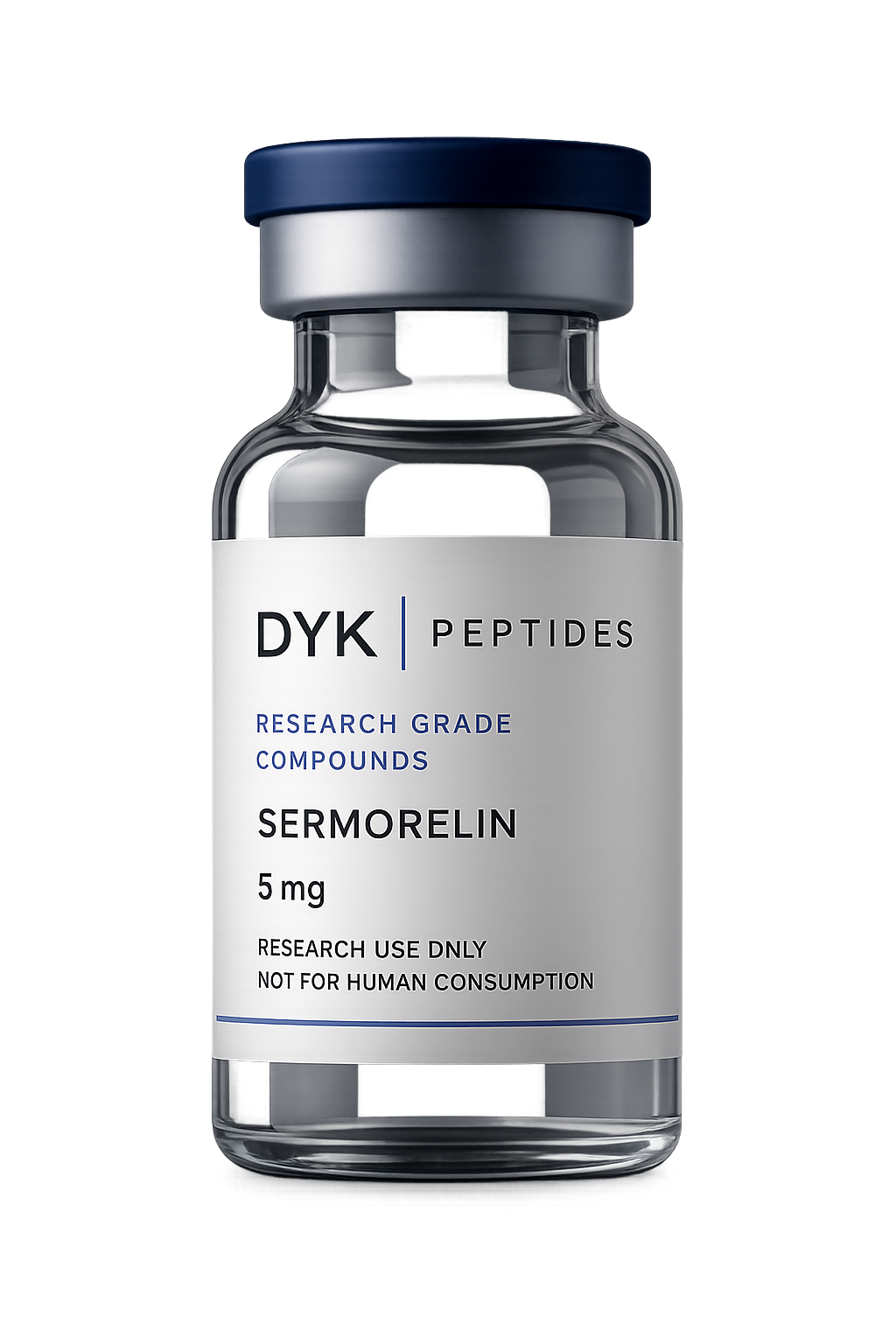
Sermorelin
A growth hormone releasing hormone (GHRH) analog reported for anti-aging, improved sleep, and body composition benefits. Based on 643 community reports analyzed on dykpeptides.com.
SS-31 (Elamipretide)
A tetrapeptide that selectively targets the inner mitochondrial membrane. Currently in Phase III clinical trials for heart failure and kidney disease - the strongest clinical evidence of any mitochondrial peptide.
TB-4 Fragment (Ac-SDKP)
The active N-terminal fragment of Thymosin Beta-4. Often considered the primary bioactive component driving TB-500's healing effects, with strong anti-inflammatory and angiogenic properties.
TB-500
A synthetic version of Thymosin Beta-4, reported for systemic healing effects and flexibility improvement.
Tesamorelin
A GHRH analog FDA-approved for HIV lipodystrophy, used off-label for body composition and anti-aging.
Thymosin Alpha-1
An immune-modulating peptide reported for enhancing immune function and fighting chronic infections.
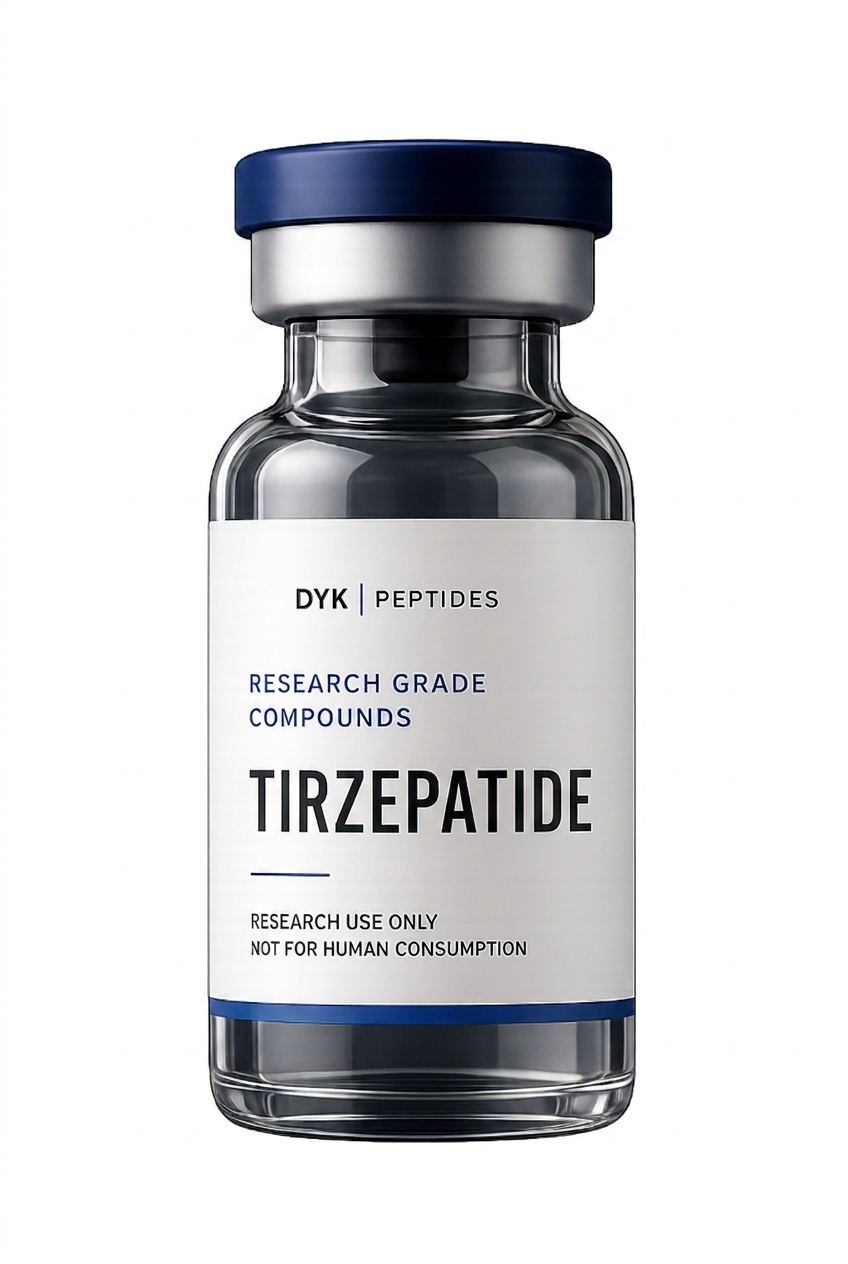
Tirzepatide
A dual GIP/GLP-1 receptor agonist reported for even more significant weight loss than Semaglutide.