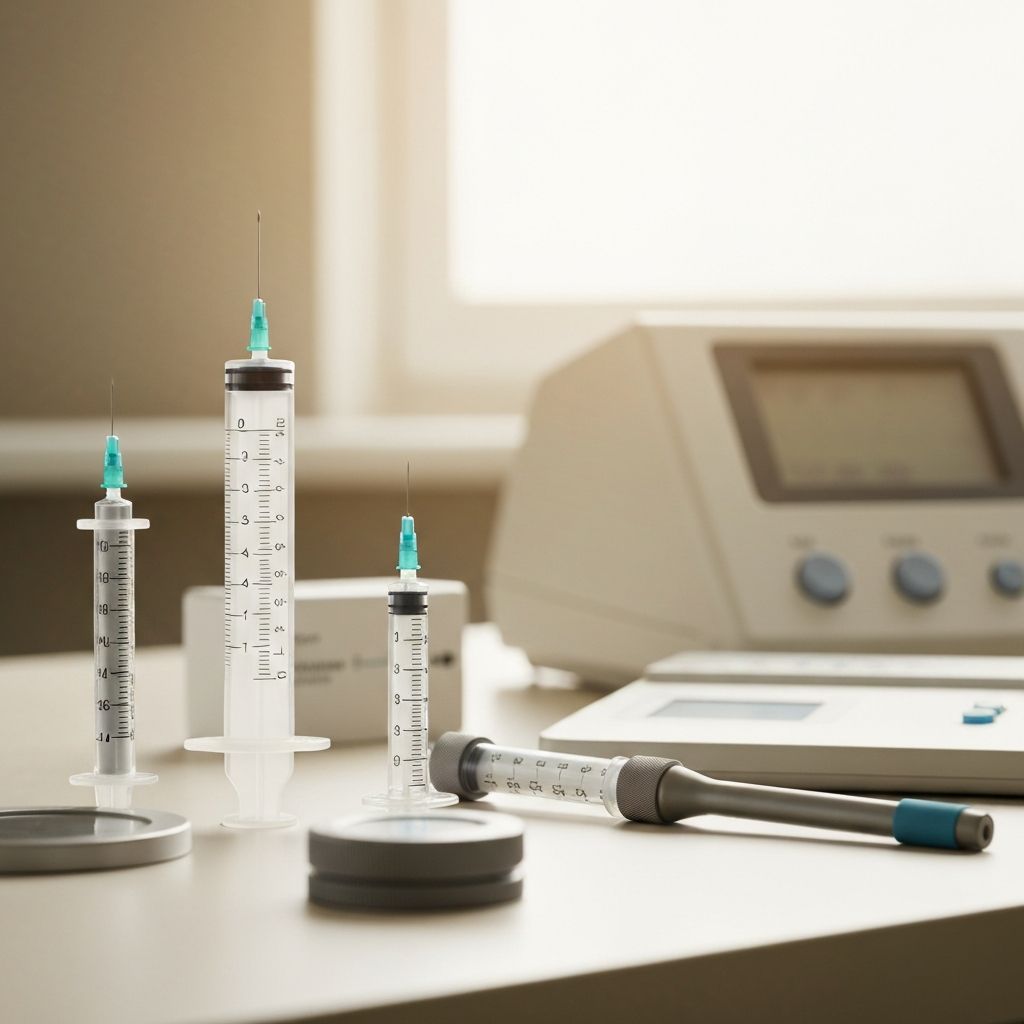
Bioavailability Basics
Bioavailability refers to how much of a compound reaches your bloodstream in active form. Peptides face challenges when taken orally because stomach acid and digestive enzymes break them down before absorption.
DYK Data: Most peptides have less than 5% oral bioavailability. BPC-157 is a notable exception with significant oral activity for gut-related issues.
Peptides That Work Orally
- BPC-157: Effective orally for gut healing, IBS, and digestive issues. Many users prefer oral for these applications.
- KPV: Anti-inflammatory peptide showing oral activity for gut inflammation
- Some copper peptides (GHK-Cu): Topical application effective for skin
Peptides That Require Injection
- TB-500: Virtually no oral bioavailability ��� must be injected
- Growth hormone peptides (CJC-1295, Ipamorelin): Injection only
- GLP-1 agonists (Semaglutide, Tirzepatide): Injectable versions far more effective than oral
- Melanotan II: No oral bioavailability
Choosing Your Route
| Goal | Recommended Route | Why |
|---|---|---|
| Gut healing / IBS | Oral BPC-157 | Direct contact with GI tract |
| Tendon/ligament repair | Injectable BPC-157 | Systemic and localized delivery |
| Weight loss | Injectable GLP-1 | Oral semaglutide exists but less effective |
| General healing | Injectable TB-500 | No oral bioavailability |
| Skin anti-aging | Topical GHK-Cu | Direct skin application |